Welcome to our Erasmus+ KA1 Projects – International Youth Mobility
Our KA1 projects under the Erasmus+ program offer young people and youth workers the opportunity to take part in cross-border learning and training activities. Rooted in the principles of non-formal education, these projects foster the development of soft skills and transferable competences—such as communication, teamwork, intercultural awareness, and critical thinking—while promoting collaboration and positive impact across Europe.
Discover some of our recent KA1 projects below, where non-formal learning comes to life through international collaboration and personal growth.
REFERENCE PERIOD No. 1: 1st August 2021 – 31st July 2023
Training Course No 1
- Title: “Empowering Youth Workers: From ideas to Impact”
- Dates: 29-30 August 2022
- Location: Lund, Sweden
- Partners: KulturLife (Germany), Mobilizing Expertise (Sweden),
InterAktion (Austria), Faal Derneği (Turkey)
General Info: In August 2022, KulturLife conducted its first training course in Sweden in partnership with Mobilizing Expertise, which hosted the activity, and 2 more organizations: InterAktion from Austria and Faal Derneği fromTurkey. Each organization contributed a representative youth worker, resulting in a total of six dedicated participants.
Aim: The activity aimed at upskilling the participating youth workers, provide a platform for the collective development of new project ideas and the expansion of the partners’ networks within the youth sector.
Activities: In the context of a think-tank, the participants shared experiences, practices and ideas about early youth engagement in youth exchanges, non-formal education tools designed to elevate the quality of learning opportunities in the youth sector.
They also exchanged information about different social problems that affect young people and necessitate our attention as youth organizations (e.g. environmental crisis and SDG’s, the need for digital citizenship education, empowerment of migrant women) and drafted relevant project ideas.
Finally, during the activity, our hosting partner, Mobilizing Expertise, delivered a workshop for the digital upskilling of our youth workers, which focused on Filmmaking as a youth work tool.
Outputs/Results: The most important results of the activity included:
i) the concrete plan of a Youth Exchange, which was developed through a co-creative process during the training course, and was later implemented by InterAktion in Austria
ii) a series of concept notes of projects tackling the social problems addressed during the think-tank discussions. These concept notes are intended to form the basis for many of the upcoming mobility projects in the context of our accreditation, as well as for future large-scale common initiatives with the involved partners.
Impact: The lasting impact was palpable, as participants reported enhanced organisational-, management-, leadership- and other work-related competencies, a broadened partner network, and increased commitment to working on projects promoting the SDG’s, fostering digital citizenship principles and competences in young people, countering racism & discrimination and, in general, advance the common good.
Training Course No 2
- Title: “Sustainability & Youth Work”
- Dates: 7-13 July 2023
- Location: Zgornja Korena, Slovenia
- Partners: KulturLife (Germany),
Drustvo za ohranjanje naravne in kulturne dediscine Nacekova hisa (Slovenia),
Aktive Kosmos (Spain), Be Visible Be You (Greece), InterAktion (Austria)
General Info: In July 2023, KulturLife conducted its second transformative activity in Slovenia, a engaging one-week learning event with the title "Sustainability and Youth Work", which brought together 13 youth work professionals and volunteers from Spain, Greece, Austria, Slovenia, and Germany. The activity was hosted on an organic, didactic farm, that represents the centre of all activities of the Slovenian organization, offering a wide range of workshops on sustainable practices. The basis for the design of this activity was the concept note on the subject “Building competences for youth worker in SDG’s” developed during the Training Course in Sweden.
Aim: The overarching objective of the activity was to foster an environment of experiential learning and knowledge sharing on sustainable living and ecological-learning practices, within which the participating youth workers could personally and professionally grow.
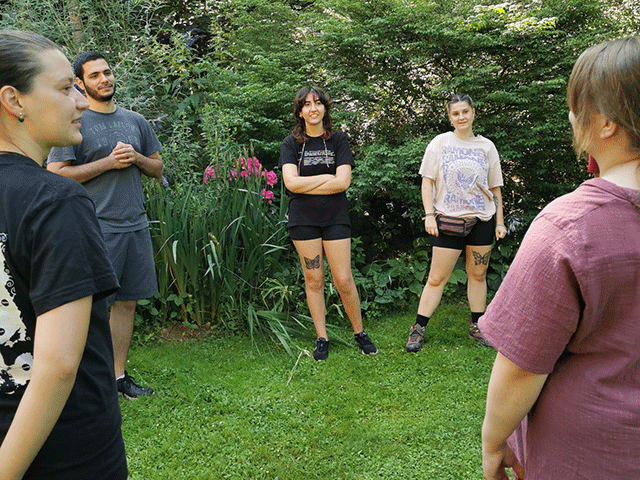
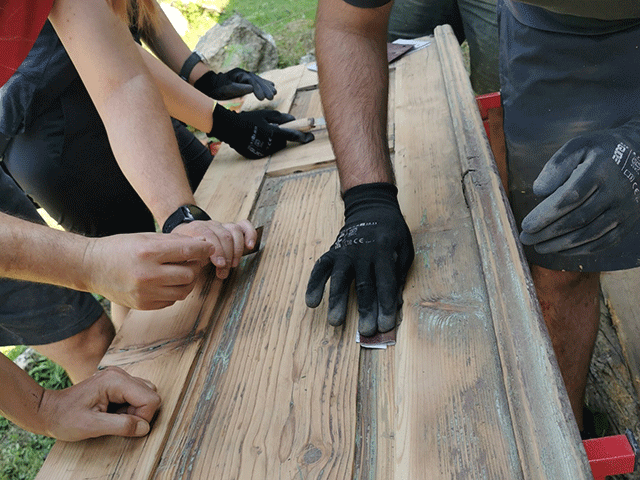
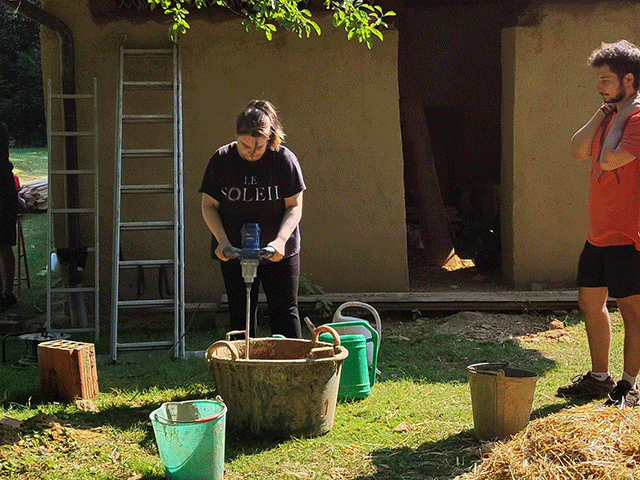
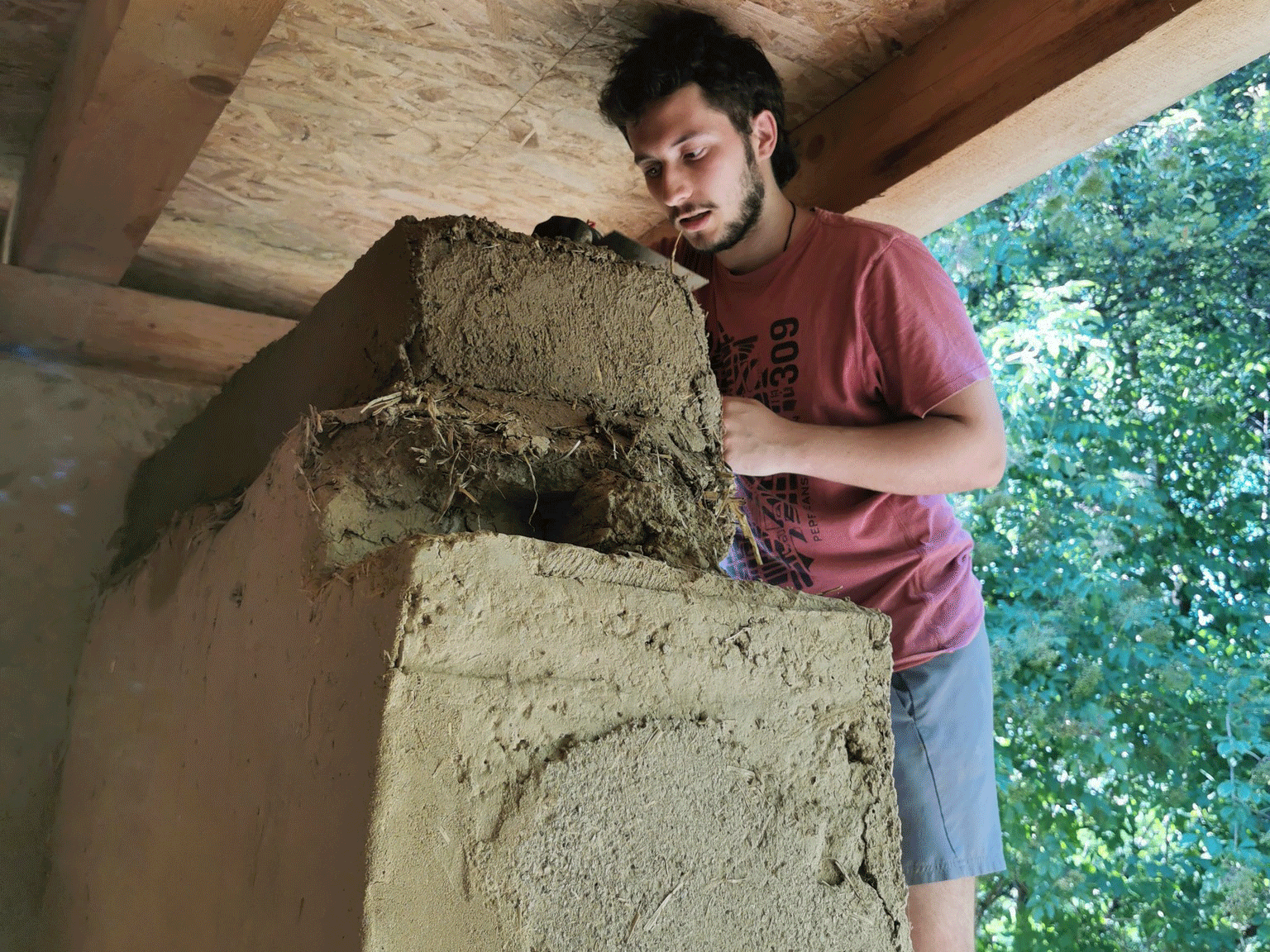
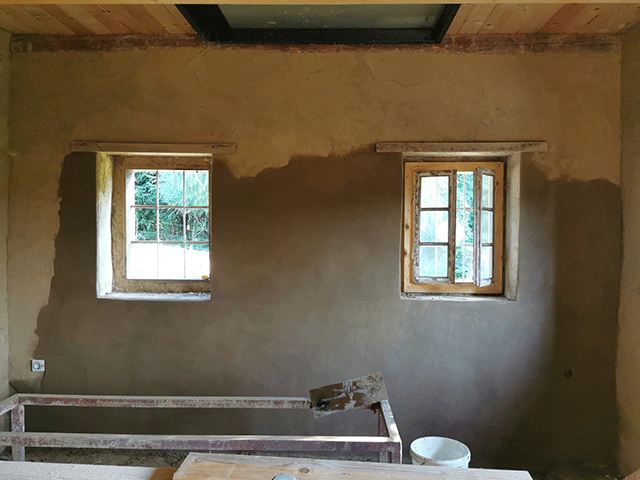
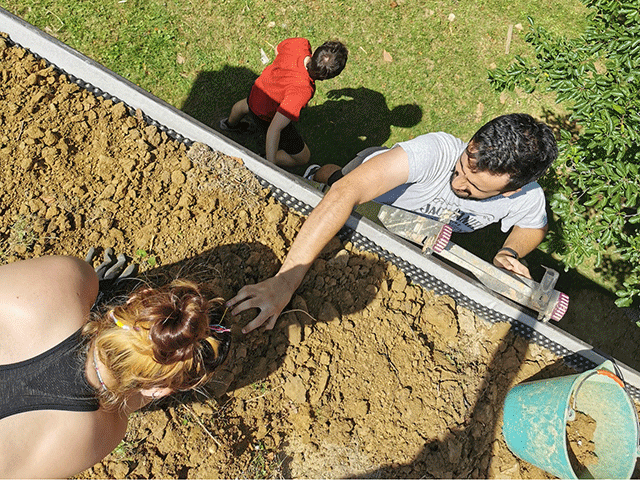
Activities: During the activity, workshops on sustainable building methods and eco-conscious teaching practices were implemented. The participants actively engaged in the restoration of a traditional mud hut, emphasizing practical work and sustainable resource utilization, including clay, sand, and straw.
They also exchanged views and experiences on non-formal learning methods in youth work addressing sustainability, participation and the creation of inclusive spaces for young people.
Moreover, KulturLife delivered a workshop on online research techniques, which supported participants in understanding and developing a critical approach towards the information they find online.
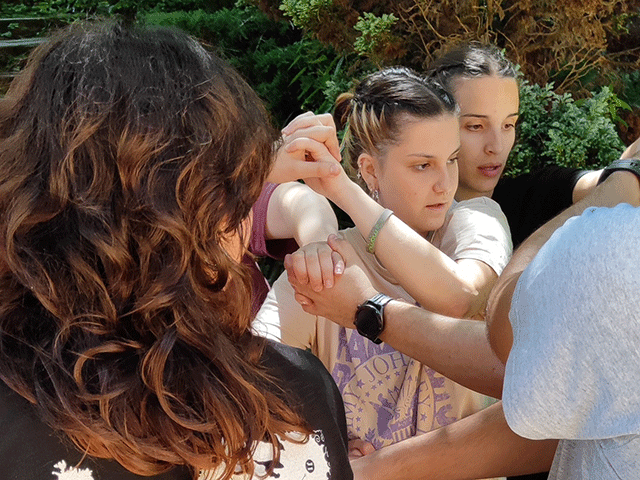
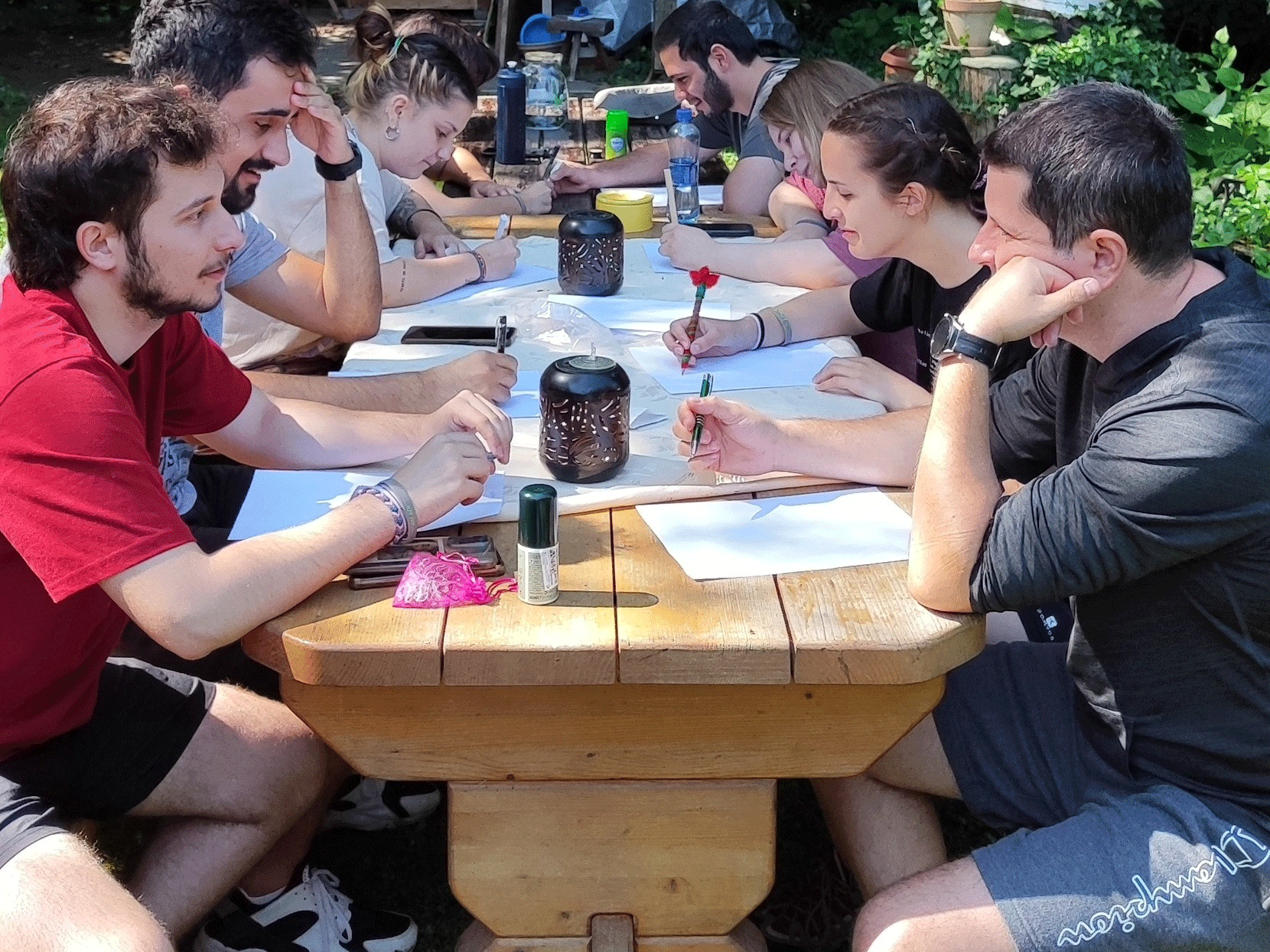
Throughout the program, non-formal education principles guided interactive, creative, and participatory workshops, with a strong emphasis on experiential learning, brainstorming, discussions, presentations, and critical thinking techniques.
Outputs/Results: The most important results of the activity included:
i) a Padlet collection of useful information and online tools to empower other youth workers in their exploration of sustainability and their relevant work with youth
ii) the restored mud house, which will be utilized for future workshops open to youth and youth workers, to learn more about sustainable living, learning and teaching
iii) the forging of a promising new partnership between KulturLife and the Slovenian organization.
Explore our curated resources on sustainability and youth work here:
Sustainability and Youth Work – Resource Collection
Impact: The experiential "hands-on" and "learning by doing" approach of this activity facilitated individual skill development and knowledge acquisition among the participating youth workers. As they stated in their reports, their intercultural competences and attitudes towards a diverse society, cultural awareness and combating intolerance, discrimination, racism and xenophobia improved significantly. The impact of attending this mobility extended to and beyond personal growth, including enhanced social skills, practical life skills, and a foundation for self-sustainability and community-oriented, environmentally friendly living.
Video: “Sustainability & Youth Work” in Slovenia
Participants’ testimonials
"I will use the knowledge and experience I've gained during the project in the next projects we will organize in our organization, as well as to help young people to build their own projects based on their ideas.”
"Inspired from the project, I have begun brainstorming on my own one, that I would love to see through. Although the project didn't have to do with technology, it's focus on sustainability was eye opening and the variety of cultures, opinions and ideas spawned a second prospect for my project, which would be to teach the practices that one knows to people still on the margin of society, so as to include them and offer them the chance to be productive and simultaneously fend for themselves.”
REFERENCE PERIOD No. 2: 01/06/2023 - 31/05/2025
Training Course No 3
- Title: Building a Digital World for All
- Dates: 15 - 19 April 2024
- Location: Berlin, Germany
- Partners: KulturLife (Germany), RIGHTCHALLENGE (Portugal), InterAktion (Austria), CARDET (Cyprus), IZB (Austria), Mobilizing Expertise (Sweden), NFE4Y (Italy)
General Info: In April 2024, KulturLife organized and hosted the Training Course (TC) “Building a Digital World for All” in Berlin, as part of the Erasmus+ accredited activities and in synergy with the large-scale Digital4All project.
Originally foreseen with 18 participants under the Digital4All project, the training was expanded to 27 participants thanks to additional Erasmus+ funding through KulturLife’s accreditation.
Aim: The TC aimed to advance digital literacy, media education and critical thinking among young migrants and refugees, while simultaneously strengthening the capacities of youth workers and experts working in these fields. A central objective was the co-creation of a digital literacy and media education e-learning curriculum specifically tailored to the needs of the target group, which blends perspectives of practitioners and lived experiences of young people with migrant backgrounds.
Activities: This special TC combined two parallel learning paths under one roof:
• A Training track for young migrants from each partner country: This track focused on training young leaders and professionals with migrant or refugee backgrounds, equipping them with skills to thrive in non-formal education settings. During the sessions of this track, young migrants explored their personal experiences and challenges in the digital world, learned to identify fake news and misinformation and developed practical strategies for responsible information consumption.
• A capacity building track for youth workers and experts: This track provided a platform for synergistic interactions between youth workers and young migrants through daily collaborative sessions guided by the partners’ trainers. The participating youth workers deepened their understanding of multiliteracies, while exploring motivational strategies to foster sustainable learning habits in media literacy education, including the “Tiny habits” method. They worked collaboratively to design the structure and content of the upcoming Digital4All eLearning course, integrating insights from both research findings and the lived experiences of the simultaneously participating young migrants in the TC.
Outputs / Results:
• Valuable insights into the realities, challenges and competences of young migrants and refugees with regards to navigating the digital world
• A shared platform for collaboration, where youth workers, experts and young migrants could work together to on the digital literacy e-learning curriculum in a process that was inclusive, participatory and closely aligned with the needs of the target group
• Enhanced pedagogical and digital competences of youth workers (e.g. curriculum co-design, participatory facilitation, integration of critical thinking and media literacy into non-formal education approaches) esp. in the context of their work with youth of migrant / refugee backgrounds.
Impact: Youth workers enhanced their pedagogical skills, particularly in curriculum co-design and participatory methods, equipping them to better support diverse youth in developing critical digital competences. At the same time, young migrants gained valuable skills in media literacy and critical thinking, while actively contributing their perspectives to the learning design process. All in all, this TC had a significant impact through fostering such reciprocal exchange, which strengthened the capacity of youth workers to deliver inclusive digital education tailored to young migrants and refugees.
Youth Exchange No 1
- Title: Empowering Youth Leaders and Active Citizens
- Dates: 19 - 24 August 2024
- Location: Örkelljunga, Sweden
- Partners: KulturLife (Germany), Hello Youth (Sweden), InterAktion (Austria),
Storie di Mondi Possibili (Italy), Faal Derneği (Turkey)
General Info: In August 2024, KulturLife organized the Youth Exchange (YE) “Empowering Youth Leaders and Active Citizens” in Örkelljunga, Sweden, hosted by Hello Youth. The YE gathered 29 participants from Sweden, Turkey, Germany, Italy and Austria, including 5 youth leaders and 24 young people, many of whom were youth with fewer opportunities.
This activity was fully funded through KulturLife’s Erasmus+ accreditation and designed as a complementary action to the Youth Can Lead Youth (YCLY) project, directly advancing its goals of youth empowerment, civic engagement, and peer leadership.
Aim: The YE aimed to strengthen leadership competencies, promote active citizenship and foster community engagement among young people, particularly those transitioning from participants to youth leaders.
Activities: The YE combined non-formal education methodologies and experiential learning with intercultural dialogue and teamwork:
• Energizers, icebreakers and team-building exercises, designed and delivered by the participants themselves
• Workshops led by national teams on leadership in democracy, critical thinking, visible and invisible cultural differences, storytelling and creative drama
• Co-development of concrete action plans, where participants set the basis for follow-up activities in their local communities
• Cultural nights, during which each national team presented its culture through traditional food, fun facts, quizzes and creative performances
• A visit to Malmö, exploring Swedish urban culture and diversity.
• A Think Tank event on the last day, connecting participants with NGO representatives to exchange ideas for future projects
Outputs/Results:
• A tested repertoire of YCLY non-formal education methods, now facilitated by the youth themselves
• A set of local action plans created by participants to promote civic engagement and democratic participation back home & ideas for future projects, born from the Think Tank exchange
• Strengthened leadership, facilitation and peer mentoring skills among young people / prospective youth workers and youth leaders
• A network of young leaders and youth workers across five countries, connected through shared values and collaborative experiences
Impact: This Youth Exchange marked a significant transition from learning to leadership for many participants thanks to the hands-on experience they gained in facilitating workshops and guiding peers. Along the way, they strengthened their teamwork- and leadership skills, critical thinking and civic mindset, forming action plans to foster social change in their communities, but also lasting connections with peers all over the Euromediterranean. Additionally, the vibrant intercultural atmosphere, combined with meaningful reflections and skill development, contributed to personal growth and a reinforced commitment to combating discrimination and fostering inclusion through active engagement.
Von der Europäischen Union finanziert. Die geäußerten Ansichten und Meinungen entsprechen jedoch ausschließlich denen des Autors bzw. der Autoren und spiegeln nicht zwingend die der Europäischen Union oder der Europäischen Exekutivagentur für Bildung und Kultur (EACEA) wider. Weder die Europäische Union noch die EACEA können dafür verantwortlich gemacht werden.
Funded by the European Union. Views and opinions expressed are however those of the author(s) only and do not necessarily reflect those of the European Union or the European Education and Culture Executive Agency (EACEA). Neither the European Union nor EACEA can be held responsible for them.